How Car Key Replacement Works Brand by Brand
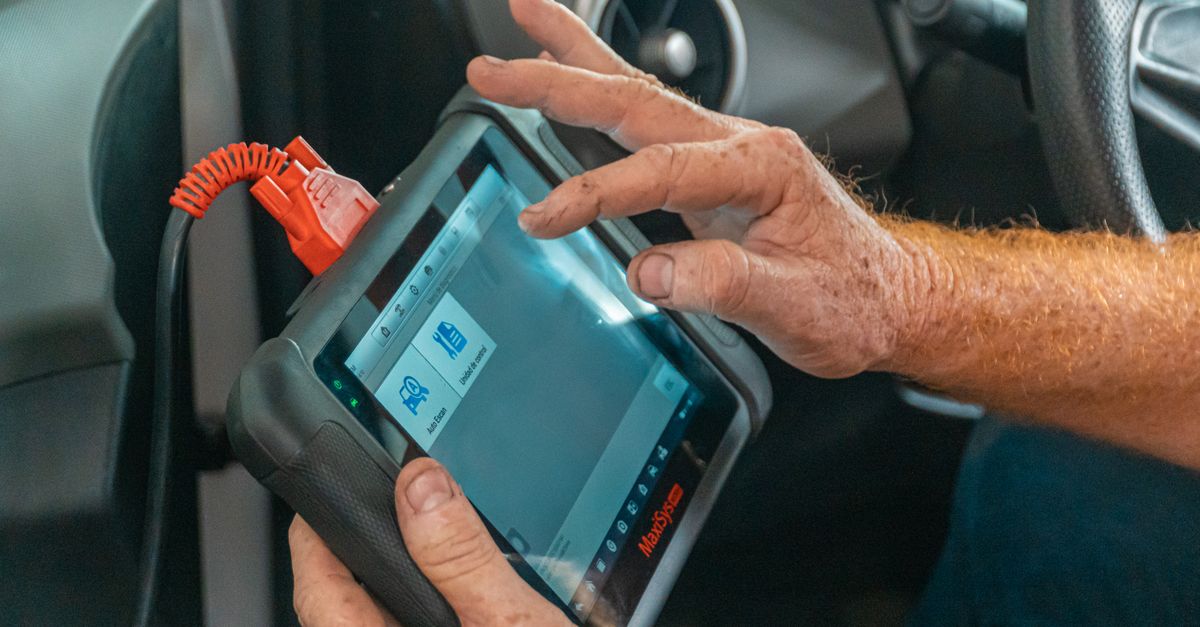
Not all replacement car keys are created equal, and the brand of your vehicle is one of the most important factors shaping the entire process. For domestic makes like Chevrolet, Ford, and RAM, transponder programming is typically handled through an on-board diagnostic port, and our technicians use professional-grade software to sync the new key's chip to your specific vehicle identification number. For General Motors vehicles from the past decade, rolling-code security means the programming sequence must be performed with the engine management system live — something that simply cannot be done by cutting a blank at a hardware counter. We handle the full sequence, from cutting the blade to finalizing the chip handshake, right at your car.
European brands introduce another layer of precision. Mercedes-Benz, BMW, Audi, and Volkswagen rely on encrypted key-learning protocols that require brand-specific programming interfaces. A replacement smart key for an Audi Q5, for example, must be adapted to the vehicle's immobilizer module before it will start the engine, and a mismatched adaptation will lock the module out entirely. Japanese makes — Toyota, Honda, Lexus, Subaru — each have their own transponder families, and the same model year can carry different chip types depending on the production run. Hyundai and Kia fobs from recent years use proximity-based push-to-start systems that demand pin-code extraction from the vehicle's ECU. Our technicians arrive familiar with these distinctions so the right procedure is used the first time.