Responding to a Commercial Lockout: What Our Emergency Locksmith Process Looks Like
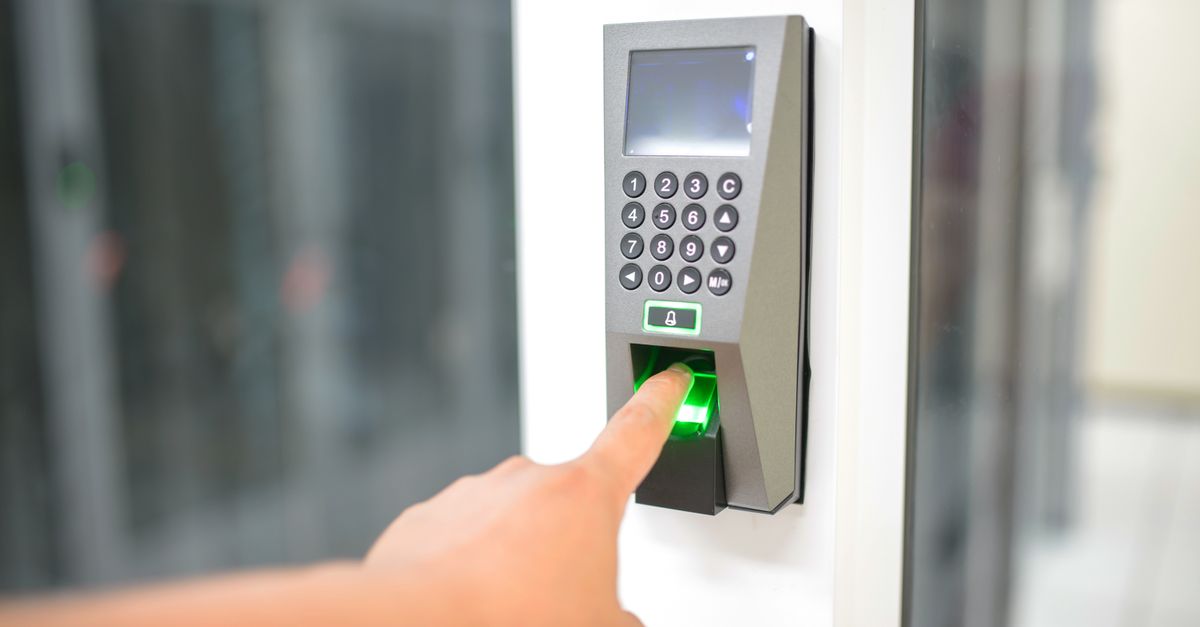
When you call us during an office lockout, the first thing we do is gather the details that let us come prepared: the type of door hardware involved, the building address, and whether you have any documentation confirming your right to access the space. This verification step is not bureaucratic friction — it is a professional standard that protects you and every tenant in the building. Once confirmed, we dispatch the nearest available mobile technician, which in dense neighborhoods like Midtown, Chelsea, or along the Broadway corridor typically means a very short drive rather than a borough-wide commute.
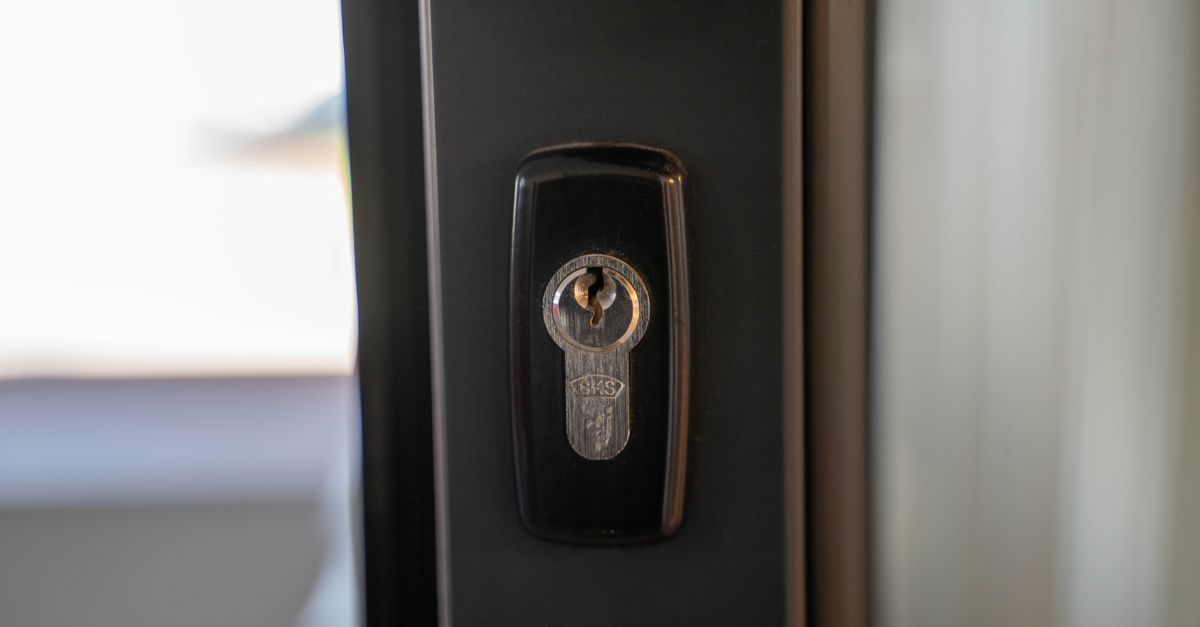
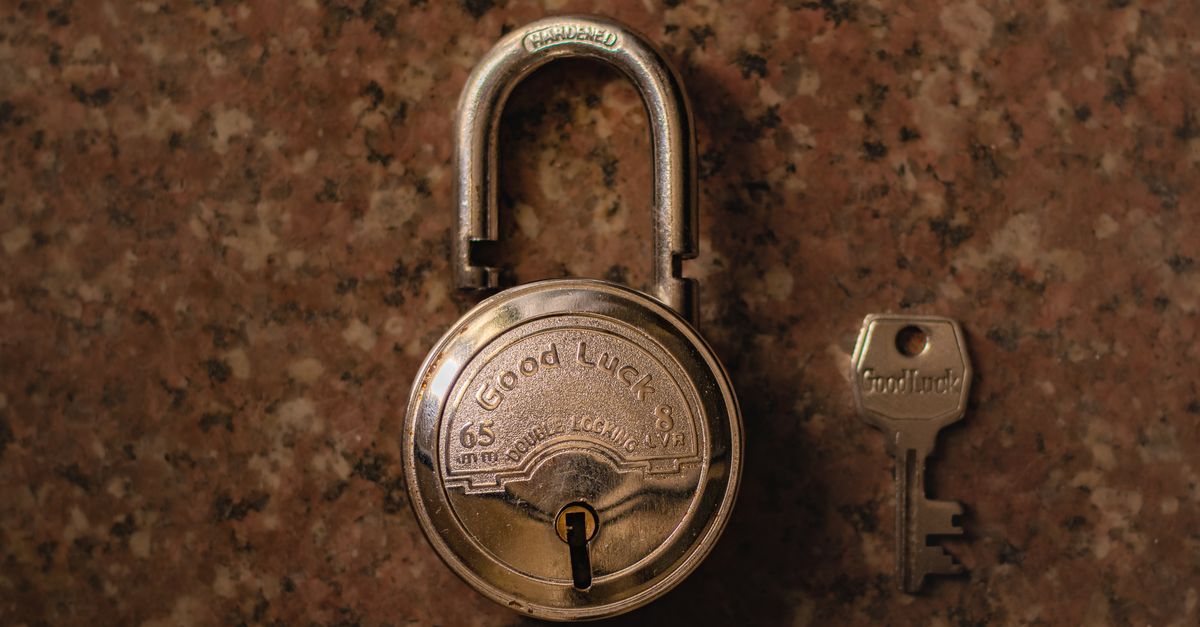
On arrival, our technician inspects the lock mechanism before attempting anything. Many older Manhattan commercial buildings — particularly the pre-war walk-ups and converted brownstones common between 72nd and 96th Street — use full-body mortise lock assemblies that require a different approach than a standard cylindrical knob lock. Forcing or drilling without that assessment risks damaging a lock body that costs significantly more to replace than to open correctly. Where the mechanism and condition allow, we use non-destructive entry techniques, preserving the existing hardware so a rekey rather than a full replacement remains a viable and often preferred option.