What Smart Lock Installation Actually Involves on a New York Door
Smart lock installation is more involved than swapping a cylinder, especially on the older door frames common throughout Manhattan and the Bronx. Many NYC buildings — particularly pre-war structures along the Upper West Side corridors — feature non-standard door thicknesses, double-bore configurations, or existing mortise lock pockets that must be matched precisely to the new hardware. A mortise lock cavity cut decades ago for a traditional lock body is rarely a perfect fit for a modern smart deadbolt without adapter plates or minor door prep work. Our technicians assess the door, the frame, the existing borehole pattern, and the backset measurement before recommending any hardware, so you end up with a unit that seats flush, latches cleanly, and doesn't void your lease or co-op board requirements.
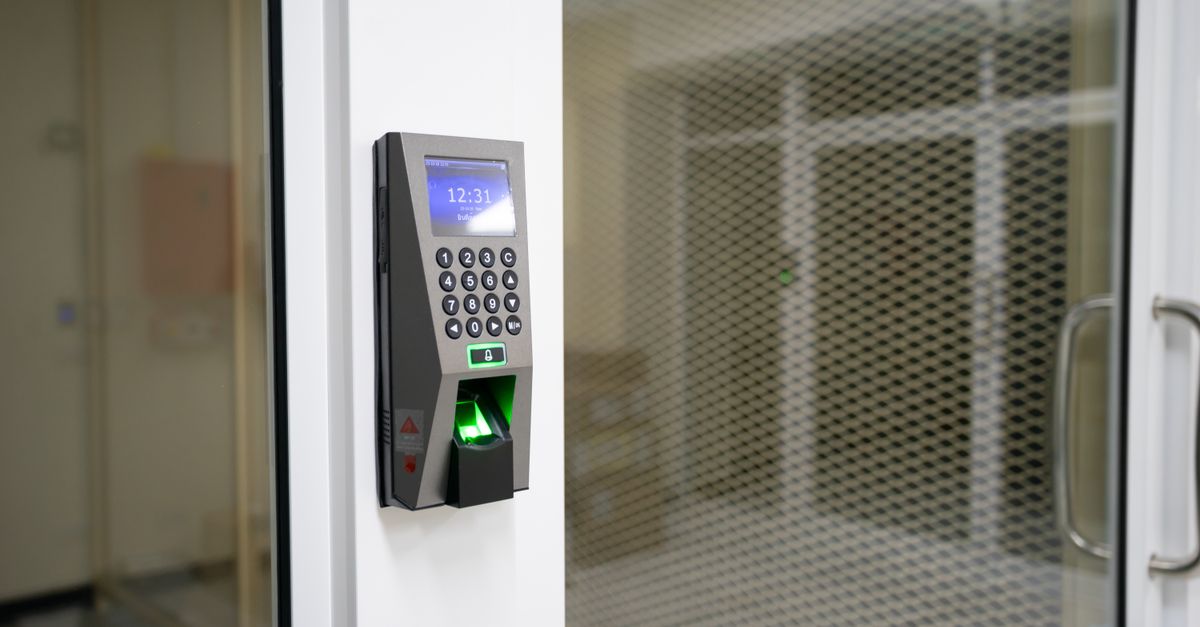
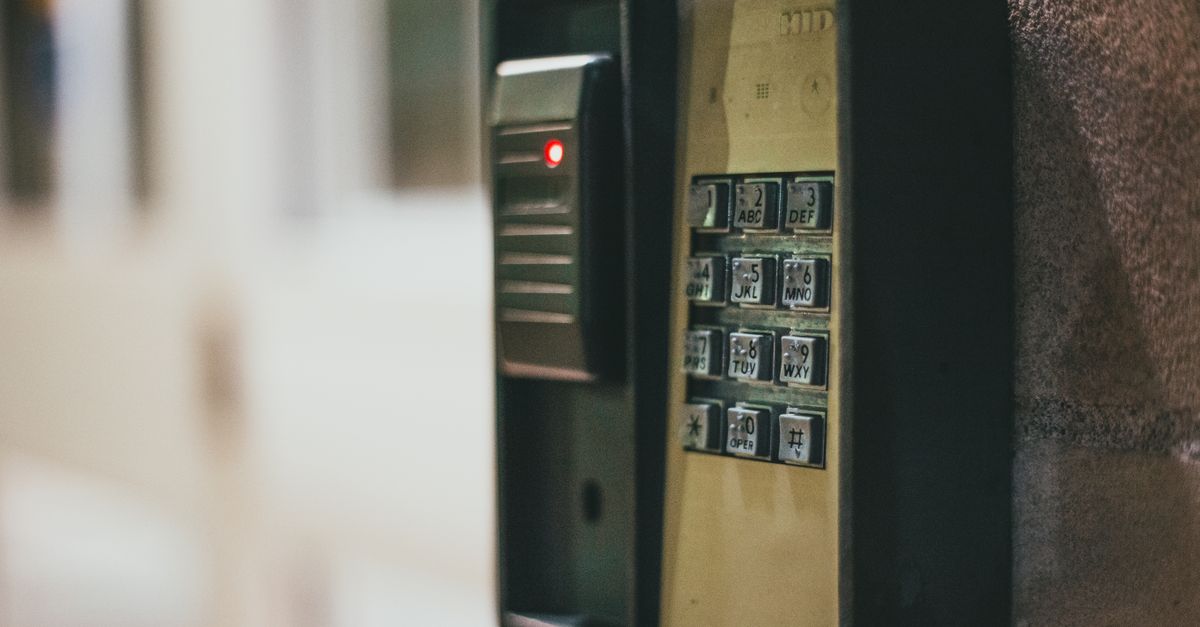
Wi-Fi deadbolts and keypad models each come with their own installation nuances. A Wi-Fi smart deadbolt needs to pair with your home network during setup — something that sounds simple but frequently requires router band selection (2.4 GHz versus 5 GHz), credential entry, and firmware updates before the lock is truly operational. Keypad-only models, by contrast, are network-independent but still require precise alignment of the keypad assembly with the door's interior rose plate so the keypad sits level and the motor-driven bolt throws without binding. We handle all of that calibration on-site, test the lock through multiple lock-unlock cycles, and walk you through the user-code programming before we pack up.