How a Building Lobby & Vestibule Lockout Actually Happens in NYC
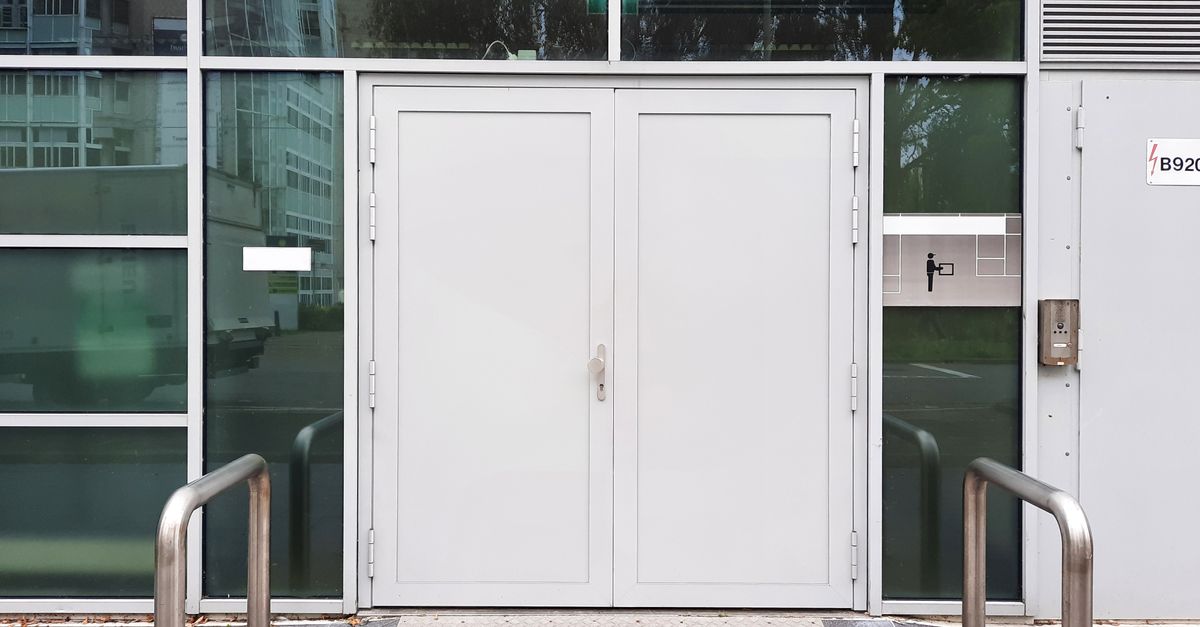
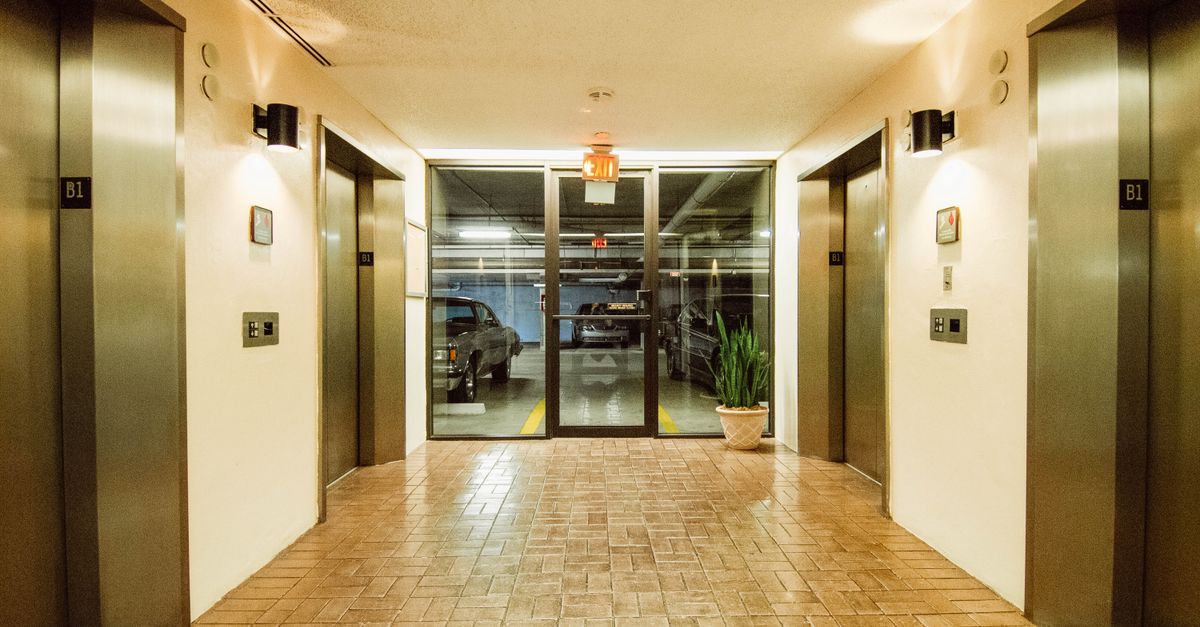
New York City residential buildings are architecturally unlike almost anywhere else in the country. A typical Upper West Side pre-war building has at least two controlled entry points before you reach a unit door: a heavy vestibule door, often fitted with a mortise lock that is decades old, and an inner lobby door controlled by an intercom or key-fob system. Midtown high-rises add card readers, mag-lock releases, and proximity panels layered on top of original hardware. When any single component fails — a worn mortise lock cylinder that refuses to turn, a deadbolt whose cam has snapped, a card reader that loses power during a grid fluctuation — every tenant using that entrance is locked out simultaneously.
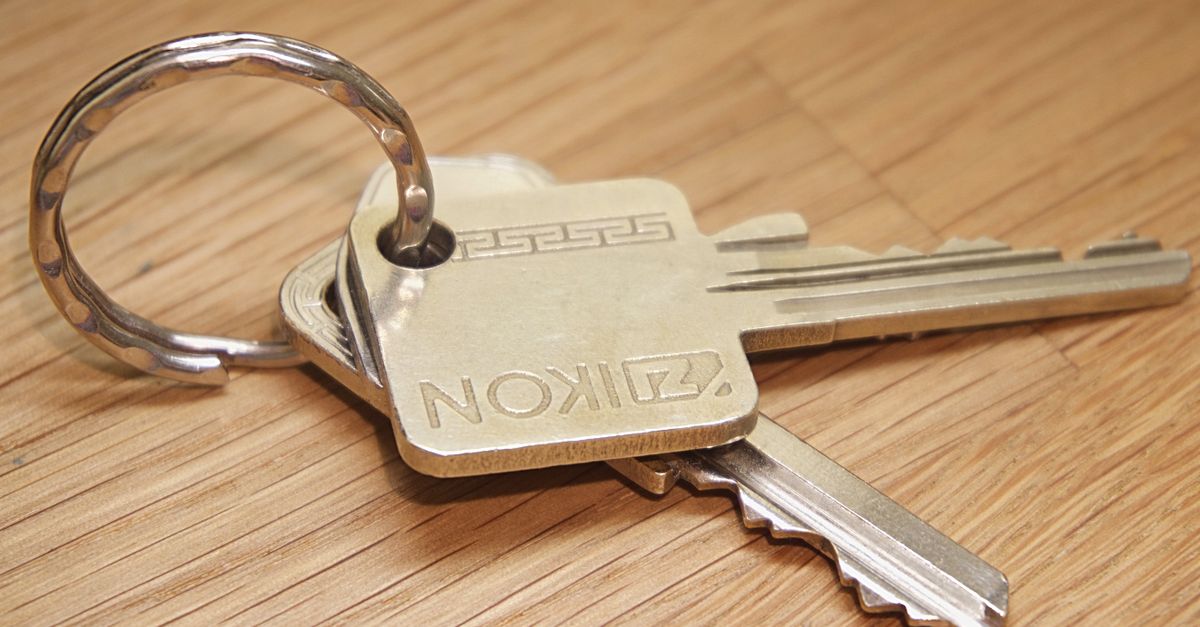
The most common causes our technicians see on service calls are: a snapped key left inside the mortise lock cylinder (extremely common in cast-iron and brass cylinders over twenty years old), a door knob lock that has been bumped or jostled until the latch bolt will no longer retract, frozen or corroded hardware on buildings near Riverside Park where salt air and winter moisture accelerate wear, and electronic access panels that go offline after a building-wide power event. In each scenario the right move is the same — stop forcing the door, check whether a side entrance or service entrance is accessible, and call a professional emergency locksmith who can resolve the issue without damaging the door frame or the lock body itself.