
How Keyless Entry & Access Control Systems Actually Work
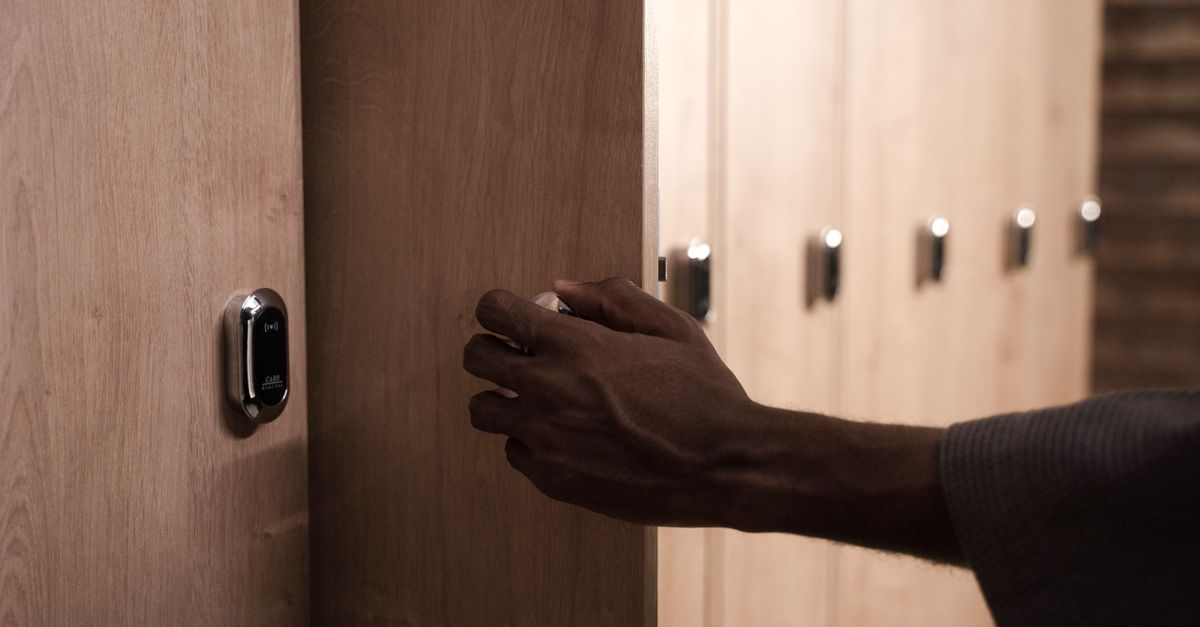
Modern electronic access systems replace the mechanical tumbler with a credential reader — a keypad, proximity card scanner, key fob receiver, biometric sensor, or smartphone-based reader — paired with an electric strike, electromagnetic lock, or electromechanical mortise lock inside the door. When the right credential is presented, the system releases the latch or bolt electronically. The administrator can add or revoke credentials instantly from a web dashboard or a dedicated app, generate entry logs, and set time-based permissions so a cleaning crew can only enter between specific hours. For New York buildings that juggle dozens of residents, rotating staff, or delivery windows, that granular control is genuinely transformative.
The backbone hardware matters just as much as the reader. A surface-mounted electric strike on a lightweight interior door is a very different installation from a mortise lock access control unit fitted into a heavy steel fire door on a ground-floor commercial entry. Our technicians assess your existing door prep, frame construction, and power-supply options before recommending any hardware — because the wrong product for a given door will fail faster and cost more in the long run.