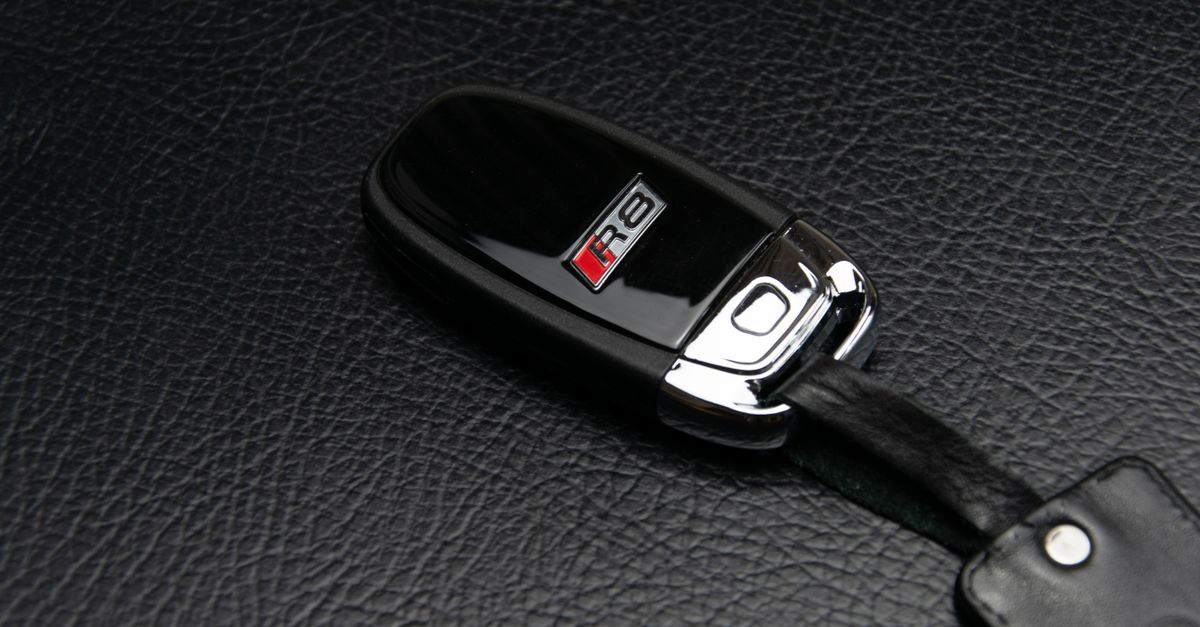
Why Audi Car Key Replacement Is More Involved Than Most Drivers Expect
Audi has invested heavily in vehicle security across its entire lineup, which means every key replacement job involves multiple steps that go far beyond simple key cutting. A replacement key must first be physically cut to the exact blade profile of your door and ignition barrel — Audi uses a high-security laser-cut (or 'sidewinder') format on most models, which requires a specialized cutting machine that very few mobile locksmiths carry. We do. Then the new key's transponder chip must be programmed to match your car's immobilizer control unit, and for smart keys and comfort-access fobs, a separate radio-frequency pairing process ties the fob to your specific vehicle. Skip any one of those steps and the key either won't turn or won't start the engine.
The process is especially involved on Audi's newer MQB and MLB platform vehicles — the A3, A4, A5, Q3, Q5, and others built after roughly 2015 — because they use Megamos Crypto 128-bit chip technology. Programming these chips requires manufacturer-level diagnostic access that goes well beyond the basic OBD readers many generalist shops rely on. Our technicians use professional-grade automotive programming equipment that keeps pace with Audi's security updates, which is why we can handle everything on-site without outsourcing to a dealer.